Footings That Perform
Engineering Essentials for Medium‑Density Builds: Footings That Perform on Tight Sites.
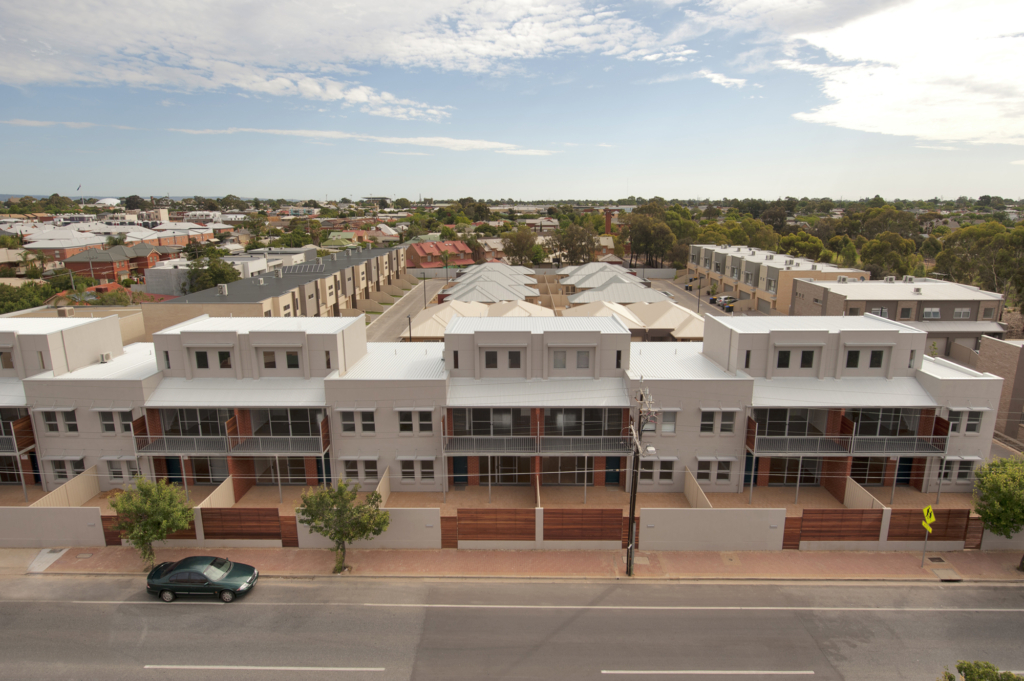
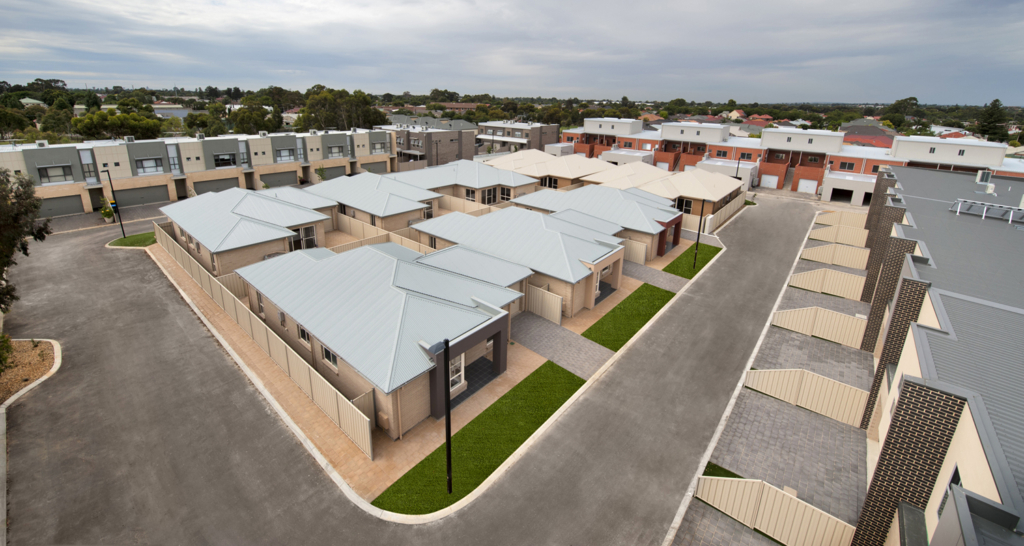
Medium‑density housing continues to grow across Australia as developers and builders work to deliver more homes on smaller sites. This means footing design matters more than ever for builders. Tight lots, shared walls and repeating dwellings means that just millimetres can influence build cost, speed and the long‑term performance of your development.
Why Footings Matter.
Medium‑density sites bring unique challenges including:
- Narrow blocks, leaving little room for mistakes
- Repetition of design can lead to repetition of errors
- Speed is critical, with trades stacked close together
- Access restriction can lead to expensive repairs post construction
Increasingly there is a focus on efficiency, coordination and reduced variability within residential development, making smart engineering a competitive advantage.
Common Site Constraints and What They Mean for Footings.
Tight Site Boundaries
Tight sites mean you must control excavation lines.
Repeating Floor Plans
Townhouses and duplex rows rely on consistency, but even when floor plans repeat, site conditions can vary between dwellings. Standardised footing details help reduce set‑out errors and speed up pours, but attention to detail is essential to ensure those site‑specific conditions are properly accounted for.
Regulation and Planning
As the Planning Codes and the NCC continue to evolve, there are more aspects to consider than ever before for medium density sites, including: Liveable housing design requirements, accessibility, soft landscaping minimum percentage requirements and WSUD requirements such as permeable paving and tree planting requirements. Each of these can influence the civil and footing design for your project.
Programme Pressure
Construction forecasts across states highlight ongoing capacity constraints and cost increases, putting pressure on builders to maintain efficient schedules.
Building Envelope
Tighter sites can mean a lack of control of the building envelope, including control of stormwater, paving apron and the influence of nearby trees that could potentially cause abnormal moisture conditions.
What Makes a Good Footing System on Medium‑Density Blocks?
Right‑Sized Stiffness
Over‑engineering wastes concrete and increases costs. Under‑engineering increases the risk of movement and performance issues. The sweet spot delivers performance without cost blowouts.
Smart Detailing for Soil Behaviour
- Clays, allow for movement, protect site from abnormal moisture conditions
- Sands, ensure adequate bearing
- Fills, check compaction and settlement risks
The goal is performance matched to site behaviour, not over‑engineering.
Moisture‑Smart Design
Good surface falls, protected slab edges and smart landscaping interfaces help control site moisture conditions and therefore soil movement long‑term—without requiring heavy excavation.
Boundary‑Aware Construction
Consideration of construction sequencing and appropriate detailing to ensure construction can proceed with ease.
Need footing designs for your next medium‑density site?
Let’s make the build smoother from day one. Email our Housing team enquiry@fmgengineering.com.au to discuss your projects needs.
Australia’s trusted advisor inspiring forward thinking engineering solutions.